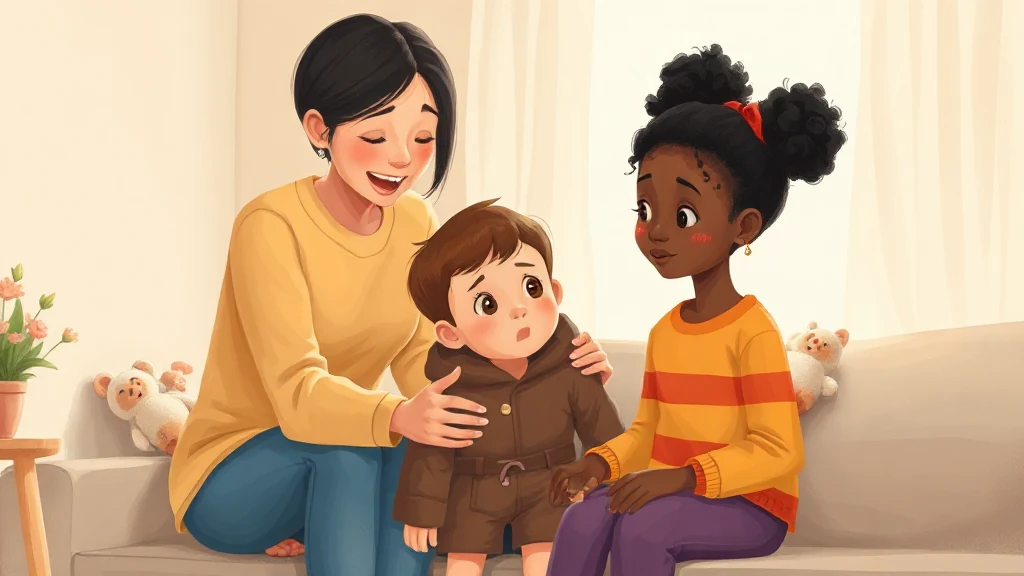
Handling Sirens and Natural Disasters in Childhood with Personalized Stories
Do you remember the feeling? Not the big, dramatic, movie-moment panic, but the slow, thick, sinking knot of anxiety that settles in when the routine shatters?
Maybe it’s the sudden, piercing wail of a siren at 3 AM when everyone is supposedly asleep. Or perhaps it’s the hushed, urgent conversation following a local warning about extreme weather-an earthquake drill, a flood watch. These sounds, these sudden shifts, can feel overwhelming, especially when we are the ones trying to explain them to a child.
As parents, we want our children to be resilient. We want them to feel safe, competent, and understand the world, even when the world throws an unexpected curveball.
But how do you teach a five-year-old how to handle a natural disaster, or even just the piercing sound of an ambulance, without resorting to overly academic lectures or panicked reassurances? The key, I’ve found, lies in narrative. In the safe, predictable power of a story.
Why Do Big Events Feel So Overwhelming to Kids?
The world, for a child, is built on a foundation of predictable rhythms: bedtime stories, school drop-offs, the sound of the lunch bell. These routines are their security blanket.
When a siren wails, or when the TV flashes a warning, or when they have to practice a fire drill, those fundamental rules break. For a young mind, an unpredictable external event isn’t just an inconvenience; it can trigger a genuine state of uncertainty, which feels deeply primal and scary.
The anxiety they feel isn’t about the physical danger; it’s about the loss of control and the loss of predictability.
This is where storytellers-and personalized story creators-can be magic.
The Comfort of the Narrative Arc
A story, by its nature, has an arc: a problem, rising tension, and a resolution. This structure mirrors the way we process anxiety. When we hear a story about a time when a character felt lost, they witness the steps taken to regain control and safety.
Personalized stories help bridge this gap by making the concepts of preparation, safety, and calm feel intimately connected to the child’s own life and their own hands.
How Do Personalized Stories Make Fears Tangible and Manageable?
The goal isn’t to eliminate fear-that’s impossible and unnatural. The goal is to make fear manageable, to give it a language, and to give the child a sense of agency within the chaos.
Personalization does this in three powerful ways:
1. Validation and Normalization: When a child reads about a character experiencing a scare (a blizzard, a power outage, an unexpected siren), they realize: I am not the only one who feels this way. The story validates the emotional response, which is the first step toward calming the nervous system.
2. Agency (The Power to Act): A core benefit of personalized storytelling is that the child is often the hero. In a customized book about a disaster scenario, the story can show them what to do-to find the designated meeting spot, to use a special flashlight, to stay calm. They are role-playing competence in a low-stakes, imaginative setting. This builds a sense of self-efficacy, which is incredibly important during real-life scares.
3. Control (The Predictable Plot): The greatest gift of a narrative is the promise of resolution. Even if the book discusses the scariest possible scenario, the story structure ensures a resolution-the family comes home, the power comes back, the cleanup is done. It teaches that even in a moment of high chaos, there is a logical path back to safety.
Want to dive deeper into how these custom tales boost emotional understanding? You can read more about the emotional benefits of these kinds of narratives in our guide on caring for a child’s emotional health through personalized stories.
When you’re ready to turn a scary, abstract worry into a safe, custom-built adventure starring your child, you can start creating a personalized story in the studio.
Quick Tip: Turning Fear into Fun
- Use Props: After reading a story about an emergency, act it out! Make the flashlights, use a “safe meeting spot” on the floor.
- Discuss Protocols: Don’t just read about the plan; discuss the actual family plan (e.g., “Where is our emergency kit?”).
- Frame it as a Quest: Instead of “What if…”, use the language of “Our Quest: How will we get safely to the park?”
What Story Themes Help Process Trauma and Anxiety?
If the goal is preparation, the story themes must be actionable. Here are three types of stories that work wonders:
⛈️ The “All Clear” Story
These stories start with a threat (a thunderstorm, a blizzard) and build to a clear resolution. They focus on the family’s actions and togetherness. They teach that safety is a team effort.
🚧 The “Problem-Solving” Story
This is perfect for addressing specific fears, like sirens or power outages. The story doesn’t just say “the siren happened”; it details the character’s actions: “She knew that when she heard the sound, she should run to the designated meeting point.” This teaches specific, concrete skills.
👥 The “Community Care” Story
Disasters often impact entire communities. These stories help children understand that safety is collective. They can feature the neighborhood helpers-the fireman, the crossing guard, the parent-making the concepts of help and community feel real and achievable.
Storytelling Beyond the Bookshelf
While reading a finished, beautiful book is powerful, the magic doesn’t stop there. When a child processes a large topic like natural disasters, the conversation needs to continue into play.
- Role-Playing: After reading about a storm, ask your child to be the ‘Chief Safety Officer’ for the living room. This shifts the emotional weight from “What if?” to “How can we prepare?”
- Art and Drawing: Have them draw the ‘Safe Space’ map for your home. Making it visible solidifies the plan and the comfort.
- The Discussion: Most importantly, let them lead the discussion. Start by asking, “What was your favorite part of the story’s solution?” This encourages them to identify the mechanism of control.
This type of deep emotional processing is why we find so much value in using these tools to address bigger picture topics, from general anxiety to complex life transitions like moving or becoming self-sufficient. You can read more about how narrative helps with these bigger life changes in our guide on navigating big life changes in childhood with personalized stories.
🌱 Quick Tips for Safety Storytime
- Keep it Concrete: Don’t use abstract fears (like “stress”). Instead, talk about specific sirens, loud noises, or changes in routine.
- End on Success: Always ensure the story’s ending is calm and successful.
- Read it Out Loud: Use dramatic tones, whispers, and varying rhythms to keep the emotional weight of the story real, but contained.
(If you’d like to build a comforting, highly specific narrative to address your child’s unique fears, let our AI help you bring that story to life. Start creating your personalized book today.)