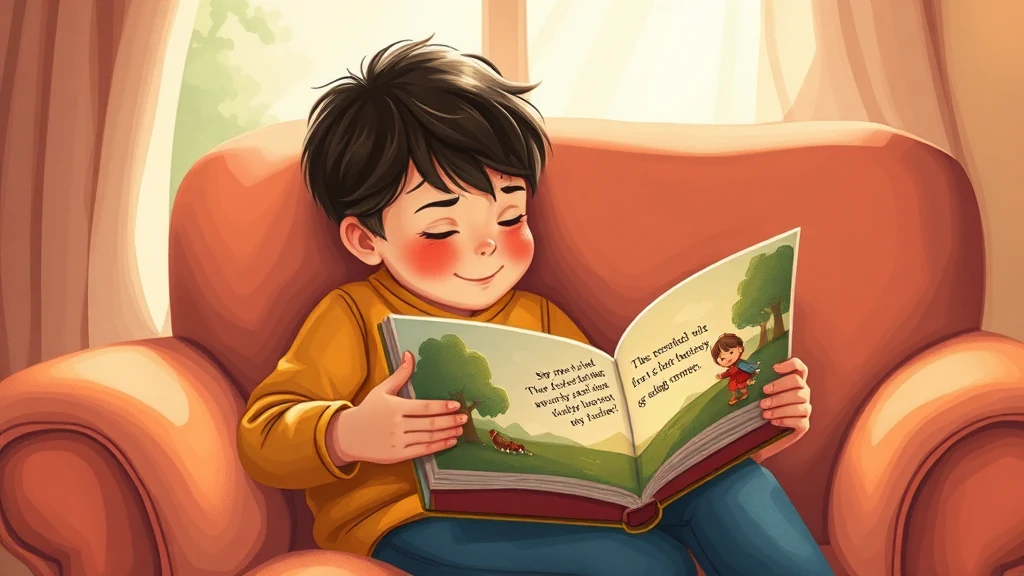
How Personalized Books Support Dealing with Anxiety in Children
The air feels thicker than usual. You know it. It’s that unique, unsettling tension that washes over everything right before a big change. Maybe it’s the first day of primary school, the move to a new neighborhood, or perhaps it’s just a huge family event that changes the routine.
I remember sitting down with my own child last fall. We were gearing up for a big transition-a new year, new grade, new challenges-and the usual excitement was undercut by a deep, heavy feeling of apprehension. It wasn’t a tantrum; it was quiet dread, a sort of anticipatory anxiety.
For parents, witnessing that shift can be profoundly scary. We read books, we coach them through routines, and we use “scary moment” stories, but often, the tools we have-even good ones-feel too general. They don’t account for this specific child, with these specific fears.
This is where the power of personalized stories comes in. They aren’t just lovely novelties; they are powerful emotional tools. By placing your child at the center, and by custom-tailoring the narrative to their real-life worries, these books help externalize anxiety and give children the vocabulary and confidence to process “big feelings.”
Why Are Storybooks So Good at Taming Big Feelings?
From a developmental standpoint, stories are incredible-they allow us to practice life in a safe, predictable setting. For a child, anxiety often feels like a giant, unmanageable, amorphous cloud. They don’t know the shape of the fear; they just know it’s there.
Personalized stories tackle this on several levels:
1. The Power of Representation: When your child sees themselves-their favorite dog, their own classroom, their family’s routines-on the page, the abstract fear becomes concrete. Instead of saying, “It’s scary starting school,” the story can show, “Leo feels worried about the big playground, but then he meets a friend who reminds him to take three deep breaths.” This shifts the worry from an internal panic to an external challenge with a manageable solution.
2. Building Emotional Vocabulary: Anxiety is linked to a lack of emotional vocabulary. A child might feel “off,” but they might not know the difference between “overwhelmed,” “frustrated,” or “curious.” Stories give them the language. When your book features a character struggling with disappointment or confusion, it gives your child a tangible reference point: “See? The character felt disappointment too. It’s okay.”
3. Mastery Through Narrative Control: The core magic of personalization is agency. In life, big changes feel like things happening to them. In a personalized story, they are often the hero who overcomes the difficulty. This ability to write a positive narrative arc-even if it’s about managing fear-builds a sense of control and self-efficacy that translates directly to real-life situations.
Quick Tip for Parents:
- Model the Emotion: Don’t dismiss their fears. Use “It sounds like you’re feeling [frustrated/worried] right now.”
- Use Metaphors: Talk about feelings being like weather: “Sometimes your worry feels like a heavy fog, but we can wait until the sun comes out.”
- Validate the Effort: Instead of just fixing the fear, praise the attempt to feel better (“I love how you remembered to take deep breaths”).
How Do Personalized Stories Help with Major Life Changes?
The anxiety isn’t always about a single moment; it’s about the continuity of the self. A move, starting a new grade, or a big sibling shift-these all challenge the child’s sense of self-security.
When a life change happens, the routine of the “before” is suddenly gone. Personalized books bridge that gap.
For example, if your child is worried about starting a new school, the narrative doesn’t just say “start school.” It can show them-your child-walking into the specific kind of building, meeting a character who looks like them, and achieving a specific goal, like figuring out the playground schedule. This imaginative rehearsal provides immense psychological comfort. If you want to start building a customized story around your child’s upcoming academic adventure, you can start the creation process today.
When they are facing a transition like moving, the story can turn the unknown process into a quest. Instead of “We are moving,” the story can be “Our family on an adventurous quest to a brand new magical neighborhood, where we will meet new friends and learn new things.”
In fact, understanding how much personalized narratives can soothe these complex emotional times is key. To delve deeper into how stories can help process overwhelming life moments, check out our guide on navigating big life changes in childhood with personalized stories.
Beyond the Classroom: Coping Skills They Can Practice
The benefit of using personalized stories extends far beyond mere reassurance. They are effective behavioral tools.
Stories can teach:
- The ‘Calm Down’ Skill: The narrative can structure the physical response to anxiety-identifying triggers, breathing techniques (the “lion’s breath”), or seeking out a safe, cozy corner.
- Empathy with Difficulty: Instead of just seeing a happy ending, the stories can model struggling characters who show empathy for each other while dealing with a scary challenge, normalizing the experience.
- Self-Advocacy: The hero in the story learns to speak up, to ask for help, or to tell an adult what they need, giving the child confidence in advocating for themselves in the real world.
Practical Tip: Using Story Time as a Skill Workshop
- Pause and Process: When reading, stop right before the climax or the resolution. Ask: “If you were [Character Name], how would you feel right now? What would you do next?”
- Identify the Moment: After reading, ask your child: “Which part of the story felt the most like how you feel about [the big change]? What words did they use?”
- Turn it into Play: Build a small prop or play area based on the positive coping mechanism in the book.
What Makes a Personalized Book Different from a General Picture Book?
While a beautifully illustrated, general picture book can teach empathy, a personalized one adds a layer of emotional safety that generic books cannot replicate.
The difference is the reflection.
A general book tells a child that managing anxiety is okay. A personalized book tells your child, specifically, that they are capable of managing their own anxiety. It wraps the general lesson in the deeply personal, validating shield of “This is about you.” This unique ownership boosts self-esteem more profoundly than any other format.
The emotional impact of seeing your own life reflected in a story, especially during times of stress, taps into the psychological need for identity confirmation. It’s not just reading; it’s a mirror held up to a scared heart.
Ready to Turn Worries into Wonderful Stories?
The feeling of nervousness and excitement are always intertwined. By giving your child the power to be the hero of their own story-and the master of their own narrative arc-you give them more than just a bedtime read. You give them a framework for resilience.
When you’re ready to turn their real-life worries and greatest achievements into a deeply personal and comforting story, remember you can start creating a bespoke book today.