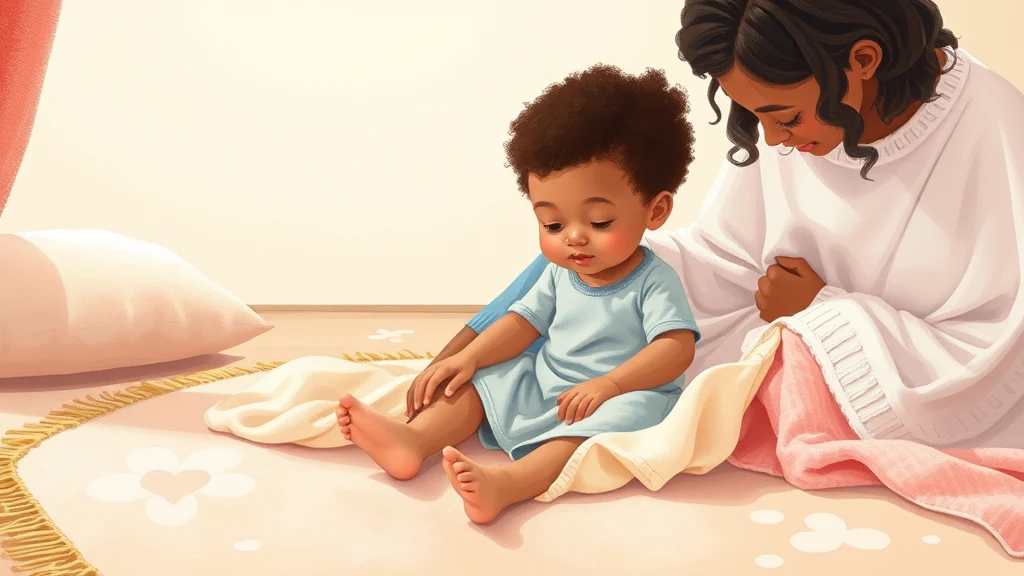
You know that specific, panicked flinch when you try to put on a pair of socks with seams? Or the way your child’s face contorts into a grimace at the “scratchy” tag on their favorite shirt?
To an outsider, it might look like they’re just being difficult or “picky.” But for a child dealing with tactile defensiveness-a common experience in sensory processing-that tiny piece of fabric can feel like a sharp thorn. It isn’t just a preference; it’s a physical response to the way their nervous system processes touch.
When a child’s brain over-responds to textures, sounds, or sensations, they aren’t choosing to be “difficult”-they are trying to navigate a world that feels much louder and itchier than it does for us.
Why Does Tactile Defensiveness Happen?
Tactile defensiveness is often rooted in the sensory processing system. For some children, the brain interprets non-threatening touch as a threat. This can range from “mild” (avoiding certain fabrics) to “significant” (sensitivity to textures like sand, glue, or even hair being cut).
It’s important to remember that this isn’t something they can simply “power through” with willpower. When their nervous system is in high alert, the goal is to provide a sense of safety and predictability.
Practical Ways to Support Your Child’s Sensory Journey
Supporting your child means creating an environment where they feel safe enough to explore at their own pace. Here are some practical ways to handle tactile challenges daily:
- The “Safe” Wardrobe: Swap itchy tags for tagless clothing and choose seamless socks. Soft, breathable fabrics like bamboo or high-quality cotton can make a world of difference in reducing “scratchy” triggers.
- Desensitization Through Play: If your child struggles with textures like sand or playdough, let them explore it on their terms-perhaps using a tool (like a shovel or a stick) first so they don’t have to make direct skin contact immediately.
- Predictable Routines: Sensory experiences can be overwhelming when they are unexpected. Give your child a heads-up before transitions like going to a doctor or trying a new food.
Quick Tip: Always honor their “no.” If a texture is genuinely distressing, pushing through can increase their anxiety. Instead, offer alternatives that provide a similar experience without the uncomfortable sensation.
Using Stories as a Bridge to Confidence
This is where storytelling becomes a powerful tool. For children who find the physical world overwhelming, stories allow them to explore “scary” things in a controlled, safe way.
When you read together, you aren’t just reading words; you are building their confidence. When they see themselves as the hero of a story-navigating big worlds or overcoming hurdles-it builds the inner strength they need to face their outer challenges. Because these stories are tailored specifically to them, your child can feel empowered by their own narrative.
If you want to turn this feeling of empowerment into a physical keepsake, you can start your book in the studio to create a story where they are the hero.
Navigating Specific Hurdles
Some parents come to us specifically regarding “scary” sensory milestones.
Haircuts and Medical Visits: These are often high-stress moments because of the combinations of touch, noise, and tools. You can help by using your current reading routine as a “mental rehearsal.” If you’ve been following our guide on how to use personalized books for educational goals, you know how much of a difference it makes when the narrative feels familiar and safe.
The Power of Choice: Give your child agency. Let them choose which pair of pants to wear or which toy they want to touch first. When they feel in control, their nervous system can stay calmer.
Building Long-term Resilience
Tactile defensiveness doesn’t always “go away” overnight, but with the right support, children can build a tremendous amount of confidence. By validating their feelings today-rather than just telling them to “be brave”-you are teaching them that they have the tools to navigate a world that sometimes feels overwhelming.
Whether it’s finding the perfect soft cotton shirt or creating a book where they face their fears as a superhero, you are building a foundation of self-efficacy that will last far beyond this stage of childhood.
Love these insights? Explore more ways to support your child’s unique journey through our complete guide to personalized books.