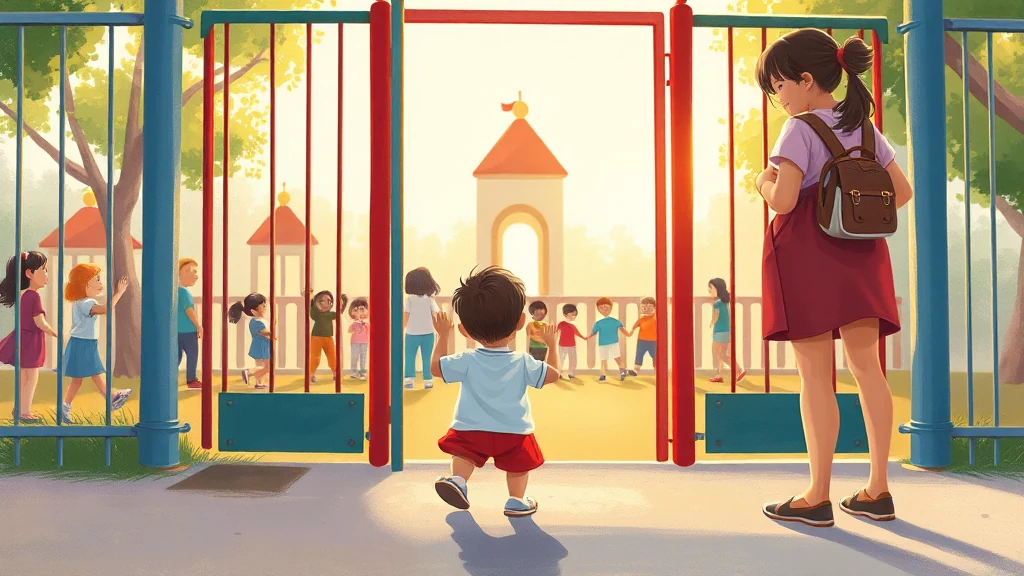
You see it in the way they hesitate at the playground gate, or how they grip your hand just a little tighter when you mention the name of a new classmate. It’s that specific look-a mix of wanting to jump into the fun and the overwhelming “what if” of being noticed by others.
For many children, social situations aren’t just transitions; they are emotional marathons. Shyness isn’t always “stubbornness,” and anxiety isn’t just “being shy.” Often, it’s a child’s way of navigating a world that feels loud, fast, or unpredictable. When your child freezes up before a birthday party or stays quiet during show-and-tell, they aren’t trying to be difficult; they are seeking a sense of safety.
Why do kids experience social anxiety?
To understand how to help them, we first have to look at why it happens. For a young child, the “social” part of an interaction can feel like a high-stakes performance. They might worry about making a mistake, being judged, or simply feeling overwhelmed by sensory input-like the noise of a cafeteria or the chaos of a large gathering.
One way to build their confidence is through representation. When children see characters who look like them and face similar fears in stories, it creates a “mental rehearsal” for real life. This builds what experts call self-efficacy: the belief that they have the tools to handle what comes next.
Quick Tip: Instead of pushing them into a crowd immediately, try “scaffolding.” Start with one-on-one play dates or small groups where the stakes feel lower and they can build confidence in a controlled environment.
Using Storytelling as a Safe Emotional Sandbox
This is where the power of narrative comes in. A great story provides a “buffer zone.” When a child reads about a character who feels nervous about making friends, they can process those emotions from a distance. It’s like practicing for a big game without actually being on the field yet.
When we use personalized stories, that buffer becomes even stronger because the hero is them. They aren’t just watching someone else overcome shyness; they are experiencing their own courage through the pages of a book. By seeing themselves as the hero who navigates a busy park or makes a new friend, they begin to internalize those feelings of capability.
If you want to help your child find their voice in these moments, you can start creating a story where they are the hero to build that foundational confidence before the next big social event.
Turning “What If” into “I Can”
One of the most effective ways to manage social anxiety is by giving children the language to describe it. When a child feels overwhelmed, they might not have the words for “anxiety.” They might just feel “scared.”
By discussing a story together, you can bridge that gap. You might ask:
- “How do you think the character feels before they go onto the stage?”
- “What did they do to feel brave enough to say hello?”
These questions move the focus from the child’s immediate panic to a collaborative problem-solving exercise. It turns a scary situation into a shared narrative adventure. For more on how these stories specifically target social growth, check out our guide on how personalized books can encourage empathy and social skills.
Practical steps for the “in-the-moment” anxiety
While a personalized book is a powerful long-term tool, you also need strategies for those moments when your child is currently feeling the sting of shyness.
- Validate, don’t dismiss: Instead of saying “There’s nothing to be afraid of,” try “I see that this party feels a bit big today. It’s okay to take a few minutes to just watch from here.”
- Create “Safe Zones”: Give them permission to step back and recharge. Knowing they have an out can actually make them feel more confident enough to stay longer.
- Focus on the “Mission”: Sometimes, giving them a small task-like “Can you help me find the blue balloons?"-can break the cycle of overthinking and move them into action.
Creating a sense of agency
Ultimately, social confidence comes from feeling like you have a choice in how you engage with the world. When children are empowered through stories that celebrate their unique journey, they begin to see themselves as capable protagonists rather than “shy” observers.
Whether it’s a fear of a new school environment or simply the nervousness of meeting a neighbor, providing them with a personalized narrative gives them a sense of ownership over their own growth. They aren’t just getting through a hard day; they are embarking on a hero’s journey.
Ready to build your child’s confidence? Create a custom story today and give them the gift of seeing themselves as a brave, capable hero.