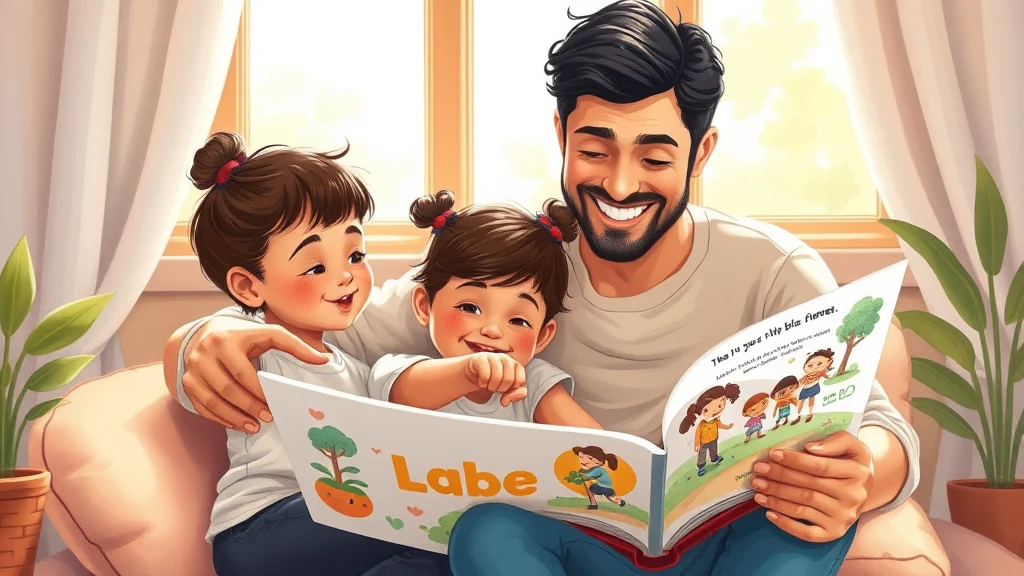
How to Use Personalized Books to Navigate the Academic Year and Build Confidence
The smell of fresh notebooks, the brand-new backpacks, the crisp scent of an autumn morning-these scents often signal the beginning of a new academic chapter. For parents, this transition can be a mix of pride and palpable anxiety. You want your child to succeed, to embrace the classroom, and to walk into the new school year feeling equipped and brave.
If the thought of the first day brings jitters, it’s not just the school that feels unfamiliar-sometimes, the routine itself can feel daunting for the child. How do you help them feel ready, confident, and excited about learning, without resorting to endless lectures?
The answer, increasingly, lies in storytelling. Personalized storybooks are more than just fun reading; they are powerful emotional tools that can act as a confidence scaffold, transforming the abstract idea of “school” into a personal, manageable adventure.
Why Do Traditional Reading Tips Sometimes Miss the Emotional Core?
When we talk about educational benefits, we often focus on ABCs and 123s. But development, especially around school readiness, is profoundly emotional. A child might be academically ready, but if they lack self-efficacy-the deep-seated belief that they can do hard things-the best curriculum won’t help.
Personalized books address this emotional foundation first. By making the child the unambiguous hero, they receive narrative validation. They are not just learning about bravery; they are reading a story where they embody bravery, making the lesson feel deeply personal and actionable.
Quick Tip: Shifting the Focus
Instead of treating reading as “homework,” frame story time as “mental rehearsal.” By sharing stories about tackling a specific challenge-like making a new friend or solving a classroom puzzle-you are practicing coping mechanisms in a safe, low-stakes environment.
How Can Personalized Narratives Reduce Back-to-School Anxiety?
The word “school” can evoke uncertainty. Personalized stories help bridge this gap by externalizing the anxiety into a narrative plot.
When you use a book to narrate a common struggle, like feeling nervous before a test or worrying about a playground interaction, you are giving your child a language and a framework for that feeling. They see the character dealing with the same emotion they are, and they see the successful outcome within the story.
Furthermore, these stories allow you to build in specific skills needed for the year ahead. Do they need to improve their listening skills? Can the story involve them listening to a wise mentor character? Want to focus on vocabulary? The AI can build vocabulary challenges directly into the character’s journey.
This deep integration of personal detail and learning objectives is why many parents are exploring comprehensive strategies, which you can learn more about in our guide on Personalized Books for the Academic Year.
What Subject Areas Can Personalized Stories Reinforce?
One of the greatest advantages of this format is its adaptability. You don’t have to wait for the next unit test to practice a skill; you can weave it into a fun narrative right now.
- Social-Emotional Skills: Stories can model conflict resolution, teaching concepts like sharing or taking turns through the actions of the main character (your child).
- Cognitive Skills: By having the main character solve a puzzle or plan an expedition, the book naturally reinforces sequencing, critical thinking, and problem-solving, all while the child is engaged.
- Literacy & Vocabulary: The AI can be instructed to focus on specific phonetics or vocabulary sets relevant to their current reading stage, making practice feel like magic rather than drilling.
When you are ready to create a unique story that directly addresses your child’s current academic or emotional focus, you can start building a tailored storybook in our studio.
Understanding the Process Matters
Some parents wonder, “How can a machine write something so specific to my child?” The technology behind it is sophisticated. AI doesn’t just swap names; it builds narratives based on emotional and developmental markers provided by the parent, ensuring the tone and complexity match the child’s age and emotional state.
Want to understand the technical magic behind these deeply customized stories? Check out our deep dive on How AI Creates Personalized Stories: The Technology Behind Make My Book.
Quick Tip: Integrating Learning Goals
- Vocabulary Goal: Focus a book on a theme related to “the zoo” and ask the AI to emphasize 5 new animal names or actions.
- Social Goal: Center the plot around a day where the character must negotiate sharing a favorite toy with a friend.
- Focus Goal: Build a book around overcoming a minor challenge (like losing a favorite pencil) to reinforce resilience.
Building the Reading Habit: Beyond the First Day
The academic year isn’t just about the first few weeks. It’s a marathon of growth. To ensure the books remain relevant, you must weave them into a consistent reading ritual.
How can you keep the magic alive year-round?
- The Themed Read: Once a quarter, assign a “theme” related to the current season or a topic you are learning about (e.g., dinosaurs in autumn, community helpers in spring).
- The Reflection Read: At the end of a tough week, summarize the week’s challenges and let the child ‘act’ as the hero again in a personalized book that reflects what they overcame.
- The Milestone Read: Celebrate small wins! Did they finally master tying their shoes? Write a book about their perseverance and reading it together instantly validates the effort.
Ultimately, personalized stories are powerful tools that shift the focus from what to learn, to who the child is becoming.
If you are finding it difficult to pinpoint exactly what academic or emotional area needs reinforcement this year, remember that the creation process itself is designed to be guiding. You can take your initial ideas and see how they come to life by trying out our creation tool at any time: https://makemybook.app/en/console.
Would you like to explore other developmental stages? We have guides on using personalized stories for sibling dynamics or handling major life transitions.
By integrating the joy of a custom story into the structure of your learning routine, you don’t just prepare your child for school; you build the confidence they need to thrive in life.