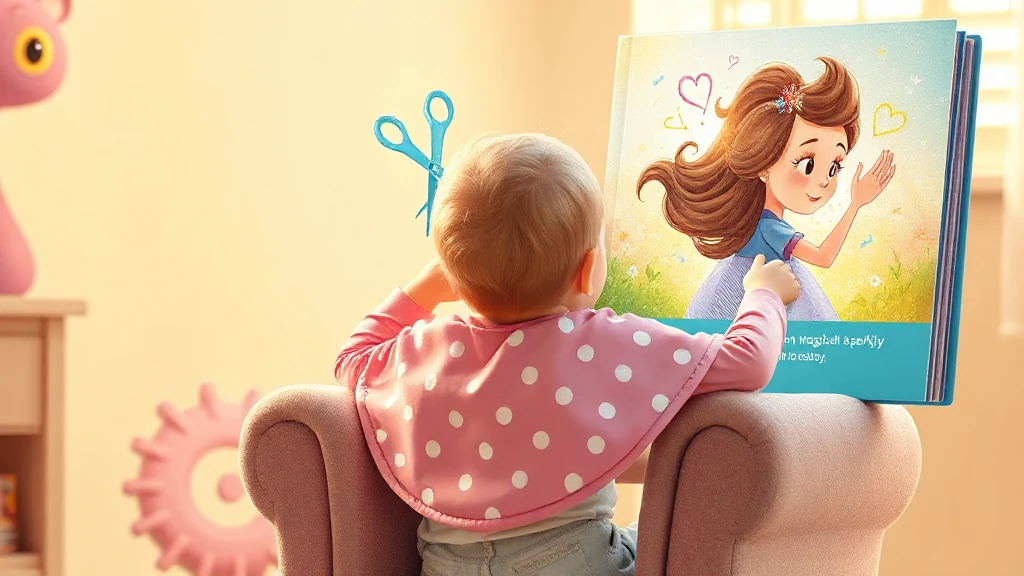
The chair is waiting. You have the cape-that crinkly, oversized piece of fabric that somehow makes everything feel more intense. And then there’s your child. They aren’t just “being difficult.” They are looking at those sharp scissors and the vibrating clippers with a look of genuine, heart-pounding alarm.
I’ve spoken to so many parents who describe this exact scene: the desperate struggle to keep a toddler still while they try to process the sensory overload of hair falling on their faces or the “scary” sound of blades near their ears. It’s one of those moments where you want to soothe them, but your hands are busy trying to keep them from bolting for the door.
The reality is that haircut anxiety usually stems from three very real places: stranger anxiety (if they don’t know the stylist), sensory processing issues (the feeling of hair moving on skin), and a fundamental fear of sharp objects near their face. It’s not a tantrum; it’s a survival instinct.
Changing the Narrative: From “Cut” to “Style”
One of my firm beliefs when it comes to these common childhood fears is that the language we use builds the mental map for our kids. Instead of saying, “We have to get your hair cut,” try focusing on the transformation. Use words like trim, style, or refresh.
By reframing the goal from a scary physical act (cutting) to an aesthetic one (styling), you lower the stakes. You aren’t taking something away; you’re making them look “sharp” or “neat.” It’s a subtle shift, but for a toddler, it changes the emotional atmosphere of the room.
The Power of Pre-Exposure
Research and experience suggest that the best way to handle a fear is to demystify it before it happens. This means starting the conversation weeks in advance.
Instead of a “surprise” trip to the salon, walk through the process at home. Show them photos of children with different hairstyles. Explain why we do it-maybe their hair is getting in their eyes or it’s getting hard to brush out those stubborn tangles. When a child understands the logic behind an action, they feel empowered rather than forced.
How Personalized Stories Bridge the Gap
This is where I see the magic of storytelling really take flight for parents and children alike. A personalized book acts as a “practice run.”
When a child sees a hero who looks like them-and whose name is actually in the story-facing a specific challenge, it creates a sense of safety. If they can navigate the scary scissors through the pages of a book today, those same scissors feel much less intimidating on Tuesday. By creating a custom adventure where your child is the brave protagonist, you can weave in these “scary” elements gradually, allowing them to process the experience at their own pace. You can start building this tailored journey by visiting our online creation console to craft a story that feels like home. For those looking for more ways to support child development through literature, you might also find value in exploring how personalized books build self-esteem and confidence by making the child feel like a capable hero.
Making the Moment Manageable
If you’re heading into a salon and things get tense, here are a few practical ways to ground them in the moment:
- The “Safe” Zone: Offer a familiar snack or a favorite toy. This isn’t just a distraction; it’s a grounding tool for their senses.
- Visual Aids: Show them videos of people getting their hair done if they aren’t ready to face the real thing yet.
- Positive Reinforcement: Celebrate the “brave” moments. Did they sit still for three minutes? That’s a win.
The goal isn’t to have a perfect, silent haircut-that’s unrealistic for most toddlers. The goal is to move from fear to familiarity. By using stories as a bridge, you give them the tools to feel like the hero of their own grooming journey.\n
A Note for the Road: While many children experience “haircut anxiety” as a standard developmental phase, if your child shows extreme physical distress or panic that persists across multiple environments, it may be worth chatting with a specialist to see if there are underlying sensory processing needs. Most of the time, however, a little bit of imagination and a very special book are all they need to feel brave.