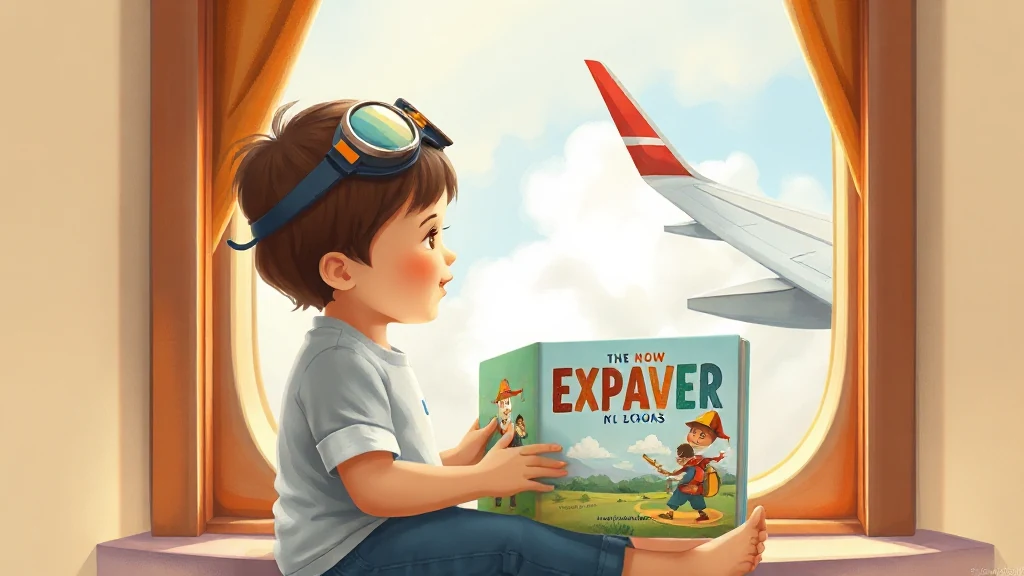
The airport is a sensory overload even on a good day-the rhythmic chime of announcements, the rolling suitcases, and the wide, bustling corridors. But for a small child, it can feel like a landscape of overwhelming “whys.”
You see them grip your hand tighter as you approach the gate. They look at the massive aircraft through the glass and ask that question every parent of a nervous flyer knows well: “Is it going to be scary?”
It’s heartbreaking to watch them worry about the roar of the engines or the “bumpy” feeling of takeoff. While we want to reassure them that everything is safe, sometimes words aren’t enough to quiet the imagination. That’s where the power of a story comes in.
Why do children fear airplanes?
For a child, an airplane isn’t just a mode of transportation; it’s a giant, metal bird soaring through the clouds. Their imagination is vivid, and if they don’t have a “map” for what to expect, their brain fills in the blanks with whatever feels most uncertain.
By creating a narrative where they are the hero, you give them that map. Instead of a scary unknown, the flight becomes a planned quest. They aren’t just passengers; they are explorers on a mission.
Turning “What if?” into “Look at that!”
The goal is to move from a state of anxiety to a state of curiosity. You can do this by shifting the focus of the conversation:
- Focus on the Mission: Instead of “Are you scared?”, try, “What special things should we look for from our window?”
- Predict the Routine: Walk through the steps together-the security check (the “magic gate”), the snack time, and the high-flying adventure.
- Give them a Role: Give them a “job,” like being the official Lookout for other planes or the Chief of Snack Distribution.
Quick Tip: Focus on Agency
When children feel they have a role to play, their sense of agency increases, which naturally lowers anxiety. Giving them a small task-like holding a special “traveler” badge or choosing the order of the snack list-can make them feel in control.
Creating a Safety Net with Personalized Stories
One of the most effective ways to build confidence before a big trip is through repeated exposure to the concept of flying in a safe, imaginative space. When a child sees themselves as the protagonist of a story about an airplane adventure, it builds “mental muscle” for the real thing.
If you want to create a custom journey for your child to read before your next trip, you can start your book in the studio to give them a personalized tale of bravery and exploration.
How to use “story time” as a rehearsal
Think of reading about flying as a “mental rehearsal.” When they encounter a loud noise or a strange sight at the airport, you can gently point back to their special book: “Remember when your character felt brave in the clouds?”
This creates a consistent anchor. It links the magic of fiction to the reality of their experience, helping them navigate the transition with confidence. For more on how these tools build lasting confidence, see our guide on building confidence through narrative and personal stories.
Preparing for Departure Day
The final piece of the puzzle is the environment. On the day of travel, keep the “story” going:
- Countdowns: Use a countdown of days or hours to make the trip feel like an unfolding adventure.
- Comfort Kits: Pack their favorite blanket and a physical copy of their personalized book for “in-flight” reading.
- Acknowledge Feelings: It’s okay if they feel nervous. You can say, “It’s okay to feel a little bit small in such a big plane. I’m right here with you.”
Quick Tip: The Power of Repetition
Read their “airplane story” every night for a week leading up to the flight. This builds familiarity and makes the concept of flying feel like a routine part of their world rather than a one-time scary event.
Ready to turn your next big adventure into a core memory? Create a custom journey where your child is the hero of their own flight: Create your story here.