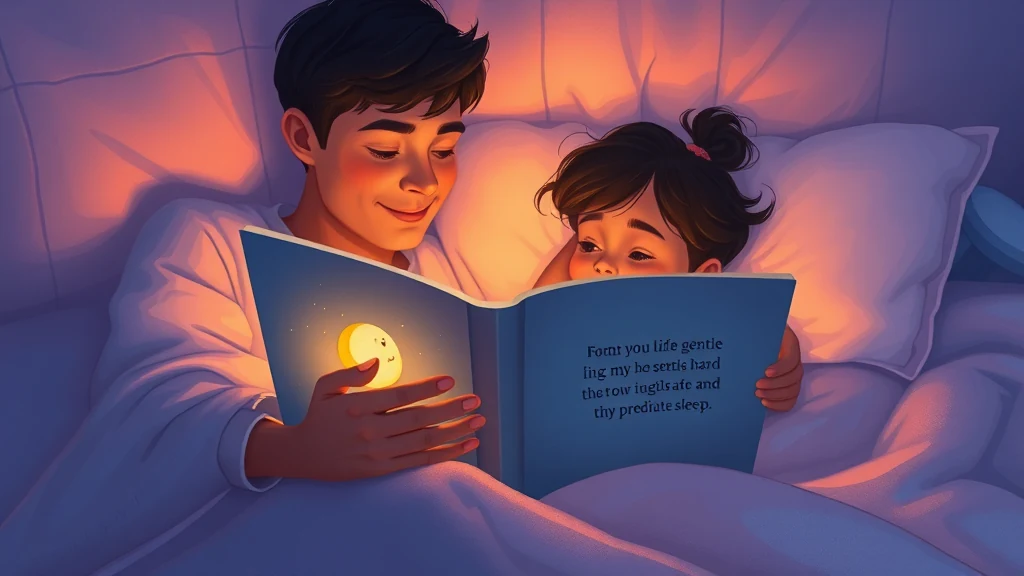
Why Does Establishing a Calming Bedtime Routine Matter for Kids?
The clock ticks closer to 8 PM. The bath water has cooled, the pajamas are on, and the scent of lavender candle wax hangs in the air-all the markers of a predictable, comforting evening. Yet, somehow, that small, golden hour of the day can feel electric with little resistance.
Do you remember the specific kind of quiet tension that happens just before bedtime? It’s not exhaustion, but something subtle-a mix of ‘finished for the day’ calm and ‘what happens next?’ anticipation. Routines are a child’s bedrock. They are the invisible scaffolding that makes the world predictable and, for small, growing minds, that predictability is deeply soothing.
But what happens when the routine breaks? Maybe the grandparent stays longer, or the school day ends abruptly with unexpected fireworks, or perhaps the child is simply having a “big feeling” day. The sudden gap in predictability can turn that calming bedtime ritual into a mini-battleground of questions, anxieties, and tears.
This is where the magic of a story-especially one that feels tailor-made-comes in. These stories aren’t just about fun characters; they are powerful, narrative anchors designed to make the abstract feelings of ‘change’ and ‘calm’ feel tangible, predictable, and safe.
Can Personalized Stories Make Bedtime Anxiety Feel Less Intense?
When a child is struggling with anxiety-whether it’s the generalized worry about the unknown or a specific struggle with falling asleep-the challenge isn’t just behavioral; it’s emotional. They need tools to process that emotional weight.
Traditional bedtime stories are wonderful, but they address feelings universally. A personalized story, however, speaks directly to your child. It might feature them overcoming a bedtime struggle, getting ready for their unique school routine, or even solving a problem that occurred in your home.
By starring themselves, your child isn’t just listening to a tale; they are watching a version of themselves-strong, capable, and safe-navigate their anxieties. This sense of self-representation is a profound emotional tool.
It allows them to externalize the scary, abstract feeling into a character’s journey, making it something that can be understood and conquered within the pages. If you are looking for ways to start crafting a story around your child’s current anxieties, you can start your book in the studio.
Quick Tip for Calmer Bedtimes:
- Use routine cues: Incorporate the actual bedtime steps (pajamas, brushing teeth, dim lights) into the story’s setting or plot.
- Name the feeling: Instead of saying, “Don’t worry,” narratively identify the feeling: “Leo felt a little knot of worry in his tummy because it was getting dark.”
- Predictive power: End the story with a solid, calming ritual, like a hug or a final drink of milk.
How Do Stories Help Kids Understand Transitions?
The period between day and night, or between one routine and another (like moving to a new house), is packed with transitional moments. For a child, these moments can feel vast and uncertain.
The key benefit of personalized storytelling here is the ability to rehearse the unknown. We aren’t talking about forced repetition, but about narrative rehearsal. The child gets to read about the big move, the new school, or the new sibling through the eyes of the hero-them.
When the story is built around their experience, the unfamiliar doesn’t feel like a threat; it feels like a chapter in their continuing, ongoing, and controllable story.
If your child is facing a big change soon, exploring how to weave those specific memories into a narrative can be incredibly powerful. For more ideas on using stories for major life changes, check out our guide on personalized stories for big life changes.
Beyond Sleep: How Personal Stories Support Daily Routines
It’s not just about falling asleep; it’s about the whole winding down period. Personalized stories can be themed around specific routines:
- The Morning Mission: A story about the hero getting ready for school, tackling their specific fears (losing their lunchbox, finding a tough math problem) on the way to the classroom.
- The Self-Care Quest: A book that teaches the child about taking care of their body-flossing, washing hands, brushing hair-framed as a heroic journey to become a strong, healthy person.
- The Family Connection: A story that anchors their place within the family unit, affirming their love and importance to everyone.
The goal is always to establish that the routine, no matter how mundane it seems, is reliable, predictable, and deeply comforting.
Mini-Guide: Making Routines Narrative Gold
- Be specific: Don’t just say “get ready for bed.” Say, “After brushing teeth and reading the book, the tired little hero climbed into the soft nest of their bed.”
- Model calmness: Read the story in a low, soothing voice, slowing down the pace, mimicking the actual quiet rhythm of bedtime.
- Connect to the self: If the child is anxious about a certain step (like getting out of bed in the morning), write the story around that specific moment of success.
Why Is Personalized Storytelling So Good for Emotional Regulation?
Emotional regulation is the ability to identify, process, and respond to big feelings safely. Personalized books help because they teach this skill using the child’s own emotional landscape.
When a story shows a character struggling with nervousness before a test, the child can say, “Oh, that’s what it feels like,” giving them a vocabulary for a physical sensation. They are literally mapping the feeling.
It shifts the narrative from “I feel anxious, and I can’t handle it” to “I feel anxious, and this character felt anxious, and they used calm breath work.” This separation gives the child agency over their emotion.
Want to explore the developmental side of reading? We have a great deep dive on how personalized books contribute to cognitive and linguistic development.
Remember, personalized storybooks are more than just a good night’s read; they are emotional tools that build resilience one page at a time. If you’re ready to turn your family’s unique story into a calming keepsake, consider making one today.
Need ideas for a customized story to soothe bedtime fears? Start creating your personalized storybook here.