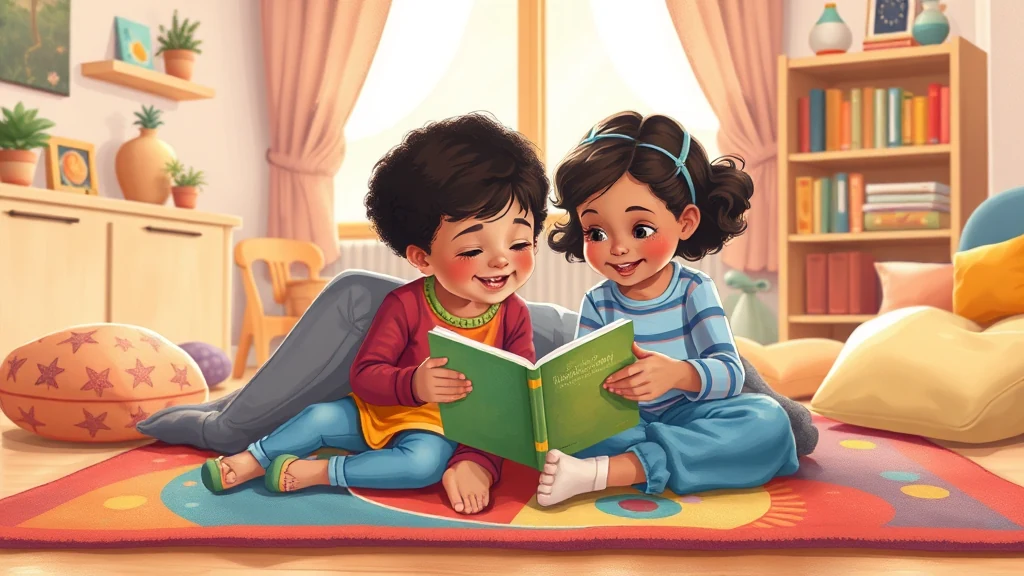
When Disagreements Feel Bigger Than the Storybook
Do you remember the intense energy of a perfect sibling day? The shared laughter, the secret language, the deep bond… and then, the inevitable moment. The argument over the remote, the snatched toy, the disagreement over whose turn it is. It feels monumental in the moment-like the whole world hinges on whose idea gets chosen.
As parents, we witness this dynamic daily. We see our children grappling with complex emotions: frustration, jealousy, unfairness, and deep, confusing love-all rolled into one. These interactions are crucial; they are how children learn to manage conflict, practice empathy, and ultimately, understand the delicate art of coexisting with someone who is both their best friend and their fiercest rival.
It can feel overwhelming. Where do you even begin to teach them that a disagreement doesn’t mean a broken bond?
This is where the power of narrative comes in. Personalized stories don’t just entertain; they offer a safe, structured emotional sandbox where children can process the messiness of real life. They give language to feelings that often feel too big to name.
Why Are Sibling Dynamics So Hard to Navigate?
The relationship between siblings is one of life’s most profound and complex training grounds. They are the first people we learn to negotiate with constantly. The key developmental tasks here include:
- Boundary Setting: Learning where “my space” ends and “your space” begins.
- Perspective-Taking: Understanding that another person-even a sibling-has different feelings and needs than you do.
- Emotional Regulation: Learning to calm down and communicate when the initial burst of emotion (anger, sadness) hits.
Without tools, these moments often manifest as yelling, passive-aggressive withdrawal, or constant competition.
How Do Personalized Stories Help Model Healthy Conflict?
A standard storybook can touch on conflict, but a personalized storybook elevates the experience from mere reading to deep, emotional reflection. When the characters (or better yet, your own child) are the heroes, the lessons feel immediate and profoundly relevant.
Instead of observing a generalized “little brother vs. sister” conflict, the child sees The Story of Leo and Maya, navigating their specific arguments over their specific pet or their specific game.
What personalized narratives provide:
- Validation: The story validates their family’s unique brand of fun-and their unique arguments. The book confirms: “Yes, it is normal to fight over the blanket, and it is okay to feel intensely loved, too.”
- A Shared Language: It introduces vocabulary for complex feelings (e.g., “frustrated,” “resentful,” “validated”) that parents might not have been able to articulate in the heat of the moment.
- Predictable Practice: Reading about conflict resolution in the book provides a mental rehearsal for real life. It gives them a conceptual framework: conflict leads to a discussion, which leads to a solution.
Quick Tip for Parents: When reading a book about conflict, don’t just read the words. Pause and ask: “How do you think [Character A] felt in this moment? What could [Character B] have said to help?” This turns passive reading into active emotional practice.
Moving Beyond the Conflict: Building True Empathy
The goal isn’t just to stop the fights; it’s to build resilience and empathy. A personalized story can be a powerful vehicle for this.
The book can weave specific moments into the narrative that force the characters to consider the “other side.” For example, if one sibling is frustrated because the other monopolizes the game, the narrative can structure the solution around the understanding that both need time to play and that the game needs boundaries.
Because the book features your child specifically, the lessons feel incredibly potent. The child isn’t just learning about a sibling; they are seeing a customized reflection of themselves, their strengths, and their emotional potential.
If you feel ready to give your child a unique narrative that validates their specific family bond and helps them practice these complex emotional skills, you can start creating a personalized storybook.
The Lasting Impact of Personalized Storytelling
The value of these stories extends far beyond the single reading session.
- Emotional Keepsakes: Unlike generic advice, the book is a tangible, personalized keepsake that serves as a wonderful anchor during future disagreements. Years later, pulling out The Story of Leo and Maya can remind them of the times they did find resolution.
- Boosting Self-Efficacy: When a child sees themselves overcome a challenge (whether it’s a sibling dispute or learning a new skill), their self-esteem grows. They internalize the narrative lesson: “I can solve big problems.”
- Family Bonding: The process of creating the book is a profound bonding experience. It requires discussion, choice, and shared vision-a perfect, low-stress activity for even the most volatile sibling group.
🧭 Quick Tips for Parents of Sibling Groups
- Narrative Reflection: After a big sibling fight, don’t lecture. Instead, point out the feeling: “It looks like both of you were feeling really frustrated today.” Validate the emotion first.
- Shared Storytelling: When reading, dedicate time to having both children contribute ideas for the next adventure or even dictate a “prequel” story about their sibling.
- Find the Pattern: When conflicts repeat (e.g., always fighting over toys), realize the underlying issue is rarely the object itself, but the control or attention associated with it. The story can address the core need, not just the surface fight.
By weaving the details of your family’s specific dynamic into a professionally illustrated story, you are giving your child more than just a book-you are giving them a safe map for navigating the complicated, beautiful landscape of sibling love and conflict.
📚 Continue Learning About Family Bonds
If you enjoyed this deep dive into sibling dynamics, you might also find these related guides helpful for fostering other aspects of family life:
- For help with transitions like moving or having a new sibling, check out our guide on personalized stories for major life changes.
- To learn how these bonds are strengthened generally, read our guide on enhancing family bonding.
- For general tips on all stages, start with our comprehensive look at personalized children’s books.