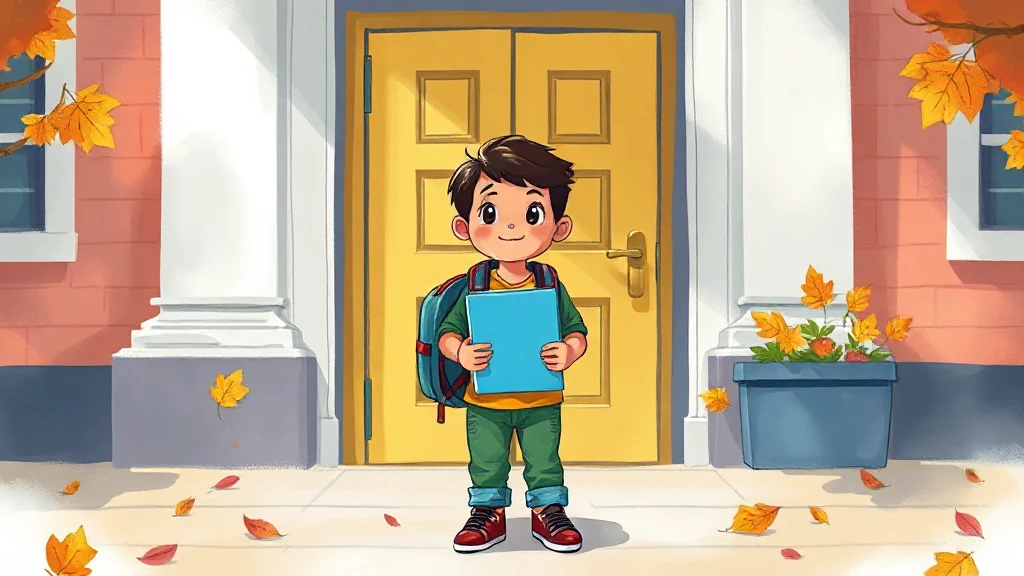
The morning of the first day of school is often painted in movies as a frantic race against the clock-parents hunting for lost shoes while children clutch their backpacks with nervous eyes. But for many parents I talk to, the “scary” part isn’t just that final morning; it’s the months leading up to it.
When a child moves from preschool or kindergarten into first grade, they aren’t just moving to a new classroom. They are moving from a world of play-based exploration into the structured world of primary education. It is a massive milestone-a shift from being “the little ones” to becoming “the big kids” who are beginning to master literacy, complex math, and multi-step instructions.
If your child is currently navigating this transition, here is how we can make that leap feel less like a cliff dive and more like an exciting next step.
The Academic Shift: From Exploration to Structure
In many preschool environments, the day revolves around “what can we discover?” In first grade, the focus shifts toward “how do we master this?”
Your child will likely encounter:
- Multi-step directions: Instead of one instruction at a time, they may be asked to get their folders, put them in a bin, and then sit on the rug.
- Foundational Literacy: The jump in reading expectations is significant. They are moving from recognizing words to decoding stories.
- New Rhythms: The first few weeks of school involve a lot of repetition as they learn the “rhythm” of a primary classroom.
I often tell parents that it’s okay if your child seems a bit tired or overwhelmed in those first few weeks. They aren’t just learning math; they are learning how to be students in a more formal system.
Taming the “First Day Jitters”
It is perfectly normal for a child to feel anxious about a new school. Anxiety usually stems from the unknown-Who will I sit next with? Will the teacher be nice? Can I find my way to the bathroom alone?
One of the most effective ways to settle these nerves is through “mental rehearsals.” Instead of just telling them they will have fun, we can help them visualize it.
I’ve found that creating a personalized story where your child is the hero of their own school adventure can be incredibly grounding; you can even start crafting these special narratives at makemybook.app/en/console to give them a tangible “script” for their success. By seeing themselves as the hero in a story about first grade, they build confidence before they even step through the door. For instance, utilizing personalized books for school transitions can help them manage specific anxieties like new environments or social hurdles.
Practical Ways to Build Confidence Now
You don’t have to wait until August to start the preparation. Here are three ways to build a bridge between home and school:
1. Establish “Anchor” Routines
Consistency is the antidote to anxiety. Create a predictable morning and evening routine now. If they know exactly what happens at 7:30 AM, that sense of predictability flows into their perception of the school day. Even small things, like a consistent “homework” time (even if it’s just a game) help them adjust to a structured schedule.
2. Talk About the “Why”
Instead of just saying, “You’re going to love first grade,” try to be specific. Talk about what they are excited to learn. Are they excited to learn to write their own stories? Or maybe they’re looking forward to the science experiments? Highlighting the joy of discovery helps pivot their focus from fear to curiosity.
3. Use Storytelling as a Tool
Children process the world through narratives. If your child is struggling with the idea of “bigger” expectations, use stories to frame it. A story about a little squirrel learning to navigate the big forest for nuts can be a gentle way to discuss growing up and taking on new responsibilities. These tools are incredibly effective for building confidence through narrative and personal stories, ensuring they feel capable rather than overwhelmed.
The transition to first grade is one of those “big” milestones that feels heavy to parents but can feel like an adventure to children. By combining clear routines, open communication about their fears, and the power of personalized storytelling, you can help your child walk into that classroom feeling capable, seen, and ready to begin.\n It’s not just about getting them to school; it’s about making sure they feel like the hero of their own journey.