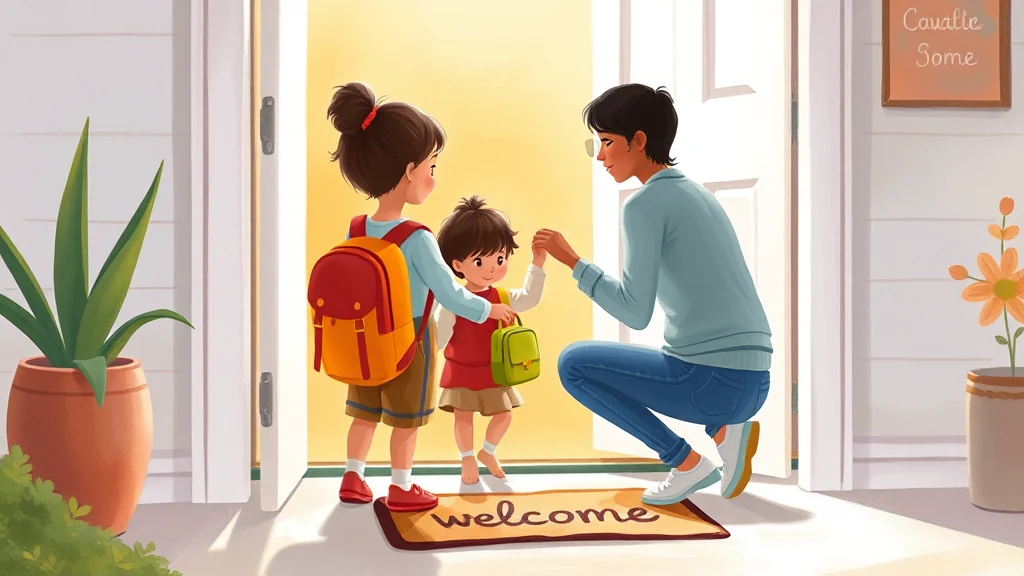
You know that specific look-the one your toddler gives you when something new is on the horizon. Maybe it’s the moment they realize a move means leaving their old backyard, or the heavy, slightly anxious sigh they let out when they see their backpack ready for a first day of preschool.
In those moments, it isn’t just about “growing up.” It’s about navigating a world that is suddenly changing shape. For a toddler, independence is a beautiful but dizzying mountain to climb. They want to do it all themselves-the shoes, the snacks, the decisions-but they still need you as their anchor when the newness feels overwhelming.
Why Toddlers Struggle with “The Next Step”
At this age, children don’t have the vocabulary to say, “I feel a bit anxious about the change in our daily routine.” Instead, that anxiety might come out as a tantrum over a transition, an extra-long cling to your leg at the door, or a sudden hesitation before trying something new.
They are learning to navigate independence not just physically, but emotionally. They need to build self-efficacy-the internal “I can do it” spark that makes them feel capable in a changing world. When we provide them with stories where they are the hero of their own transition, we give them a safe space to practice being brave before the “real thing” happens.
Quick Tip: If your child is struggling with a specific transition (like a move or starting school), try “rehearsing” it through play first. Let them “act out” the new routine in a low-pressure environment.
How Stories Act as a Bridge to Independence
Personalized stories are more than just cute books; they are cognitive tools. When a child sees themselves as the hero of a story about making a big change, several things happen:
- Normalization: They realize that it’s okay to feel nervous. If the character in their book feels “butterflies” before a new adventure, it gives them permission to feel the same.
- Predictability: Narrative structure provides a roadmap. By following a story arc, children learn that while a transition is hard at first, it eventually leads to a successful conclusion.
- Agency: Because they are the hero, they have “agency.” They aren’t just watching someone else solve a problem; they are the ones overcoming the hurdle.
For more on how these narrative choices impact development, our guide on how personalized books build self-esteem and confidence dives deeper into the psychology of identity in early childhood.
When you’re ready to create a narrative where your child is the hero navigating their own milestones, you can start your book in the studio.
Preparing for Specific “Big” Moments
Whether it’s moving house or just mastering a new chore at home, every milestone requires a different type of emotional support:
- Moving House: Use stories to talk about the “new backyard” and the adventure of settling in.
- Starting School/Daycare: Focus on the joy of making new friends while acknowledging the bravery it takes to say goodbye for a few hours.
- Learning New Skills: Transform mundane tasks into quests, helping them build the confidence to try-and fail-until they succeed.
Quick Tip: Look for “anchor” objects. If your child is anxious about leaving home, a “bravery charm” (like a special stone or a heart drawn on their hand) can be discussed in both daily life and within their personalized stories.
Moving Beyond the Fear
The goal of transition isn’t just to get from point A to point B; it’s to build a child who feels capable of handling whatever “Point C” might bring. By using personalized books, you aren’t just telling them what happened-you are giving them a tool to manage how they feel about what is happening.
When they look back at these books in years to come, they won’t just see a story; they’ll see the moment they realized they could be brave.
Ready to make their next big step a little less daunting? Create a personalized adventure for your child today.