Can Personalized Children’s Books Encourage Empathy and Social Skills?
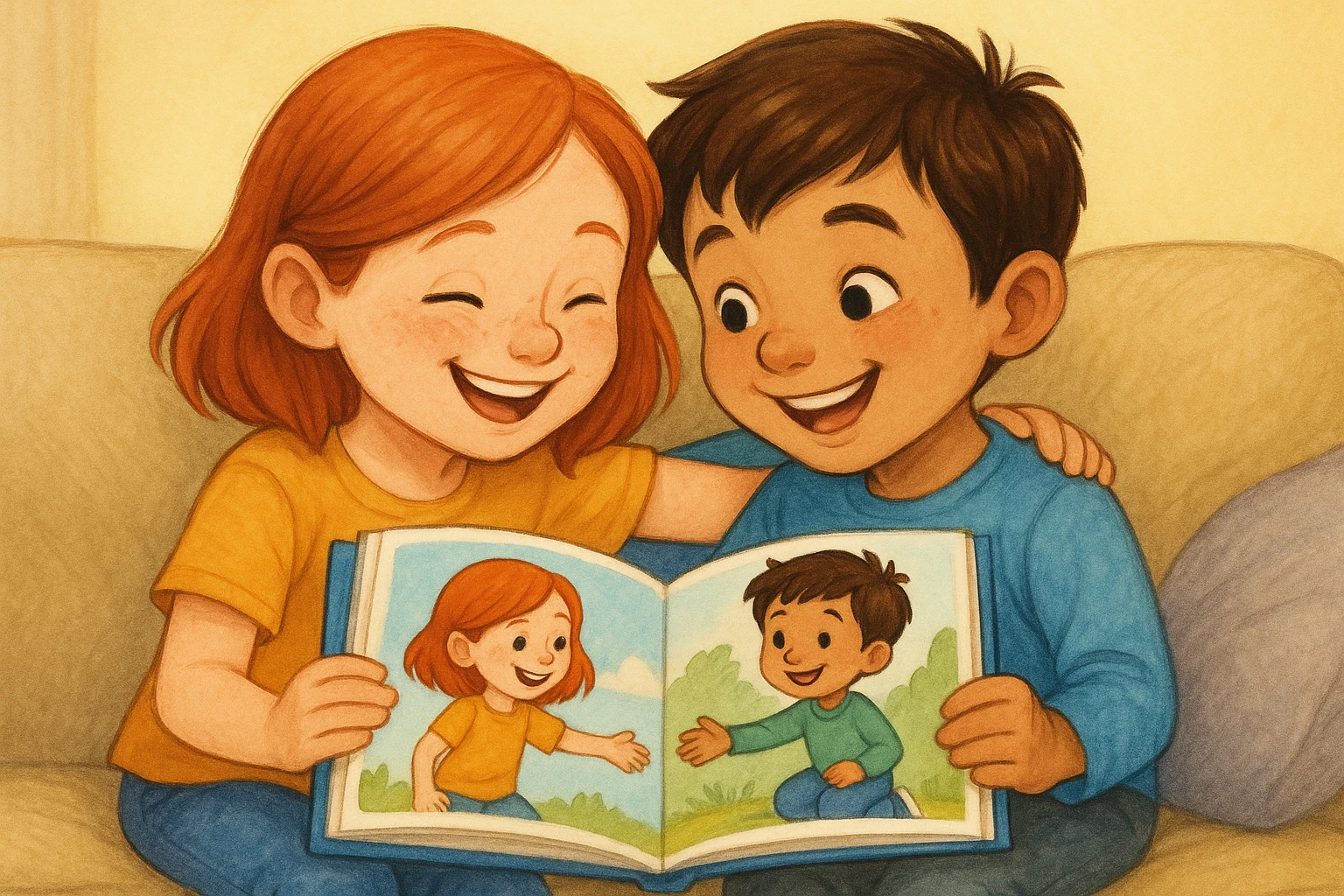
At first glance, the idea of a book where the child is “the center of the world” might seem to promote self-centeredness rather than empathy. However, personalized children’s books can actually be powerful tools for developing empathy and social skills in young readers. The key lies in how these stories are crafted and how they engage children with social situations and diverse perspectives.
The Paradox of Personalization and Empathy
Beyond Self-Centeredness
While personalized books place the child at the center of the narrative, well-crafted stories use this personal connection as a foundation for understanding others. When children see themselves navigating social situations in stories, they’re not just learning about themselves - they’re learning how their actions affect others and how to respond to different social scenarios.
The personal connection creates a safe space where children can explore social dynamics without the pressure of real-world consequences. This safety allows for deeper learning and more thoughtful reflection on social interactions.
How Personalized Books Build Empathy
Experiencing Others’ Emotions Through Personal Stories
In personalized books, the child protagonist often encounters other characters with their own feelings, needs, and perspectives. When the child sees “themselves” in the story interacting with a sad friend, helping someone in need, or resolving a conflict, they experience empathy from the inside out.
For example, if the story shows the child character comforting a friend who lost a toy, the reading child doesn’t just observe empathy - they experience it as their own character. This first-person perspective makes empathy more tangible and memorable than observing it from a distance.
Understanding Emotional Cause and Effect
Personalized stories excel at showing how actions affect emotions. When the child character shares a toy and sees their friend’s joy, or when they accidentally hurt someone’s feelings and witness the sadness, they learn emotional cause and effect in a personal, meaningful context.
This learning happens naturally through the narrative. The child doesn’t need to be told “sharing makes others happy” - they see it happen to “them” in the story, making the lesson more powerful and memorable.
Practicing Perspective-Taking
Well-designed personalized books include diverse characters with different backgrounds, needs, and perspectives. When the child protagonist interacts with these characters, the reading child practices seeing situations from multiple viewpoints.
Parents can enhance this by asking questions during reading: “How do you think the friend felt when that happened?” or “What would you do if you were in their situation?” These questions encourage children to step outside their own perspective and consider others’ feelings.
Developing Social Skills Through Narrative
Modeling Positive Social Behaviors
Personalized books provide models of positive social interactions. The child character demonstrates:
- Sharing and cooperation: Working together to solve problems
- Kindness and helping: Assisting others in need
- Conflict resolution: Finding peaceful solutions to disagreements
- Inclusion: Welcoming and accepting others who are different
- Communication: Expressing feelings and needs clearly
Because the child sees themselves performing these behaviors in the story, they’re more likely to internalize and replicate them in real life.
Social Simulation Without Risk
Personalized books act as social simulators where children can practice social skills without real-world consequences. If the child character makes a social mistake in the story, the narrative can show how to repair relationships and learn from mistakes - all in a safe, controlled environment.
This simulation aspect is particularly valuable for children who struggle with social anxiety or social skills. They can practice interactions through the story before attempting them in real life.
Learning Social Consequences
Stories naturally show consequences of social actions. When the child character shares, others respond positively. When they exclude someone, they see the hurt it causes. These consequences are clearer and more immediate in stories than in real life, making the lessons more obvious to young children.
Cultural Diversity and Social Understanding
Representing Diverse Perspectives
Many personalized book platforms allow customization that includes cultural diversity. Children can see themselves alongside characters from different backgrounds, learning that while people may look different or have different traditions, they share common emotions and needs.
This exposure to diversity through personalized stories helps children develop tolerance and appreciation for differences. When the child character befriends someone from a different culture in the story, the reading child learns that differences enrich rather than divide.
Building Inclusive Mindsets
Personalized books can be customized to reflect diverse family structures, abilities, and backgrounds. When children see themselves and others represented positively in stories, they develop inclusive mindsets that extend beyond the pages.
The Role of Parents and Educators
Facilitating Empathetic Discussions
The real power of personalized books for empathy development comes from how adults use them. Parents and educators can:
- Pause and discuss: Ask questions about characters’ feelings
- Connect to real life: Relate story situations to the child’s experiences
- Explore alternatives: Discuss what else the character could have done
- Validate emotions: Acknowledge that all feelings are valid
Extending Learning Beyond the Story
After reading, adults can help children apply lessons to real situations: “Remember when you helped your friend in the story? You did something similar today when you shared your snack.” This connection reinforces social learning.
Age-Appropriate Social Learning
Early Childhood (2-4 years)
For younger children, personalized books focus on basic social concepts:
- Recognizing emotions in others
- Understanding that actions affect feelings
- Learning to share and take turns
- Developing basic friendship skills
Preschool Age (4-6 years)
As children grow, stories can address:
- More complex social situations
- Understanding different perspectives
- Resolving conflicts peacefully
- Including others who are different
School Age (6-10 years)
Older children benefit from stories that explore:
- Complex social dynamics
- Standing up for others
- Understanding social norms
- Building and maintaining friendships
Supporting Children with Social Challenges
For Shy or Socially Anxious Children
Personalized books can be particularly helpful for children who struggle with social interactions. The stories provide:
- Safe practice: Trying social skills in a controlled environment
- Confidence building: Seeing themselves succeed socially in stories
- Preparation: Practicing situations they’ll face in real life
- Reduced anxiety: Familiarizing themselves with social scenarios
For Children on the Autism Spectrum
Personalized books can serve as “social stories” that help children on the spectrum understand and prepare for social situations. The personal connection makes these stories more engaging than traditional social stories, increasing their effectiveness.
Research on Empathy and Storytelling
The Science Behind Narrative Empathy
Research consistently shows that reading stories increases empathy. When we read about characters’ experiences, our brains activate in ways similar to experiencing those situations ourselves. Personalized books amplify this effect because the child is the character, making the connection even stronger.
Studies have found that children who read stories regularly show:
- Better understanding of others’ emotions
- Increased prosocial behaviors
- Improved perspective-taking abilities
- Greater emotional intelligence
The Personalization Advantage
Personalized books add an extra layer to this research. When children see themselves as the protagonist, they’re not just reading about empathy - they’re experiencing it as their own character. This first-person perspective makes empathy lessons more powerful and memorable.
Creating Empathy-Focused Personalized Books
Choosing the Right Story
When selecting or creating personalized books to foster empathy, look for stories that:
- Include diverse characters with different backgrounds
- Show the child character helping others
- Demonstrate understanding of others’ feelings
- Include conflict resolution and cooperation
- Celebrate differences and inclusion
Customization Options
Many platforms allow customization that supports empathy development:
- Including friends’ names as supporting characters
- Reflecting diverse family structures
- Incorporating cultural elements
- Showing various abilities and backgrounds
Long-Term Impact on Social Development
Building Foundation for Relationships
The empathy and social skills developed through personalized books form the foundation for:
- Healthy peer relationships
- Successful family interactions
- Future romantic relationships
- Professional collaboration
- Community involvement
Creating Empathetic Adults
Children who develop empathy early through tools like personalized books are more likely to become empathetic adults who:
- Understand and respect others’ perspectives
- Contribute positively to their communities
- Build strong, healthy relationships
- Navigate conflicts constructively
- Appreciate diversity and inclusion
Practical Tips for Maximizing Social Benefits
Read Together and Discuss
Don’t just read personalized books - use them as conversation starters. Ask questions about characters’ feelings and motivations, and connect story situations to real-life experiences.
Model Empathy Yourself
When reading personalized books, model empathetic thinking: “I wonder how the friend felt when that happened” or “That was kind of the character to help.” Children learn empathy by seeing it modeled.
Extend Learning Through Play
After reading, encourage children to act out scenes or create their own stories about helping others. This play extends social learning beyond reading time.
Choose Stories That Challenge Perspectives
Select personalized books that include characters different from your child. This exposure helps children develop empathy for people who are different from themselves.
Conclusion
Personalized children’s books can absolutely encourage empathy and social skills when crafted thoughtfully and used intentionally. While they place the child at the center of the story, well-designed narratives use this personal connection as a springboard for understanding others.
These books provide:
- Safe spaces to practice social skills
- Models of positive social behaviors
- Opportunities to understand others’ perspectives
- Exposure to diversity and inclusion
- Foundation for healthy relationships
The key is in how the books are designed and how adults use them. When parents and educators engage children in discussions about characters’ feelings, connect stories to real life, and model empathetic thinking, personalized books become powerful tools for social and emotional development.
Rather than promoting self-centeredness, personalized books can actually help children understand that while they are important and valued, so are others. This balance between self-worth and empathy is crucial for healthy social development.
The magic of personalized books for empathy development lies in their ability to make social learning personal and meaningful. When children see themselves as characters who understand, help, and connect with others, they internalize these behaviors as part of their identity. This internalization creates lasting empathy and social skills that extend far beyond the pages of any book.