How Personalized Books Impact Emotional Development and Self-Confidence
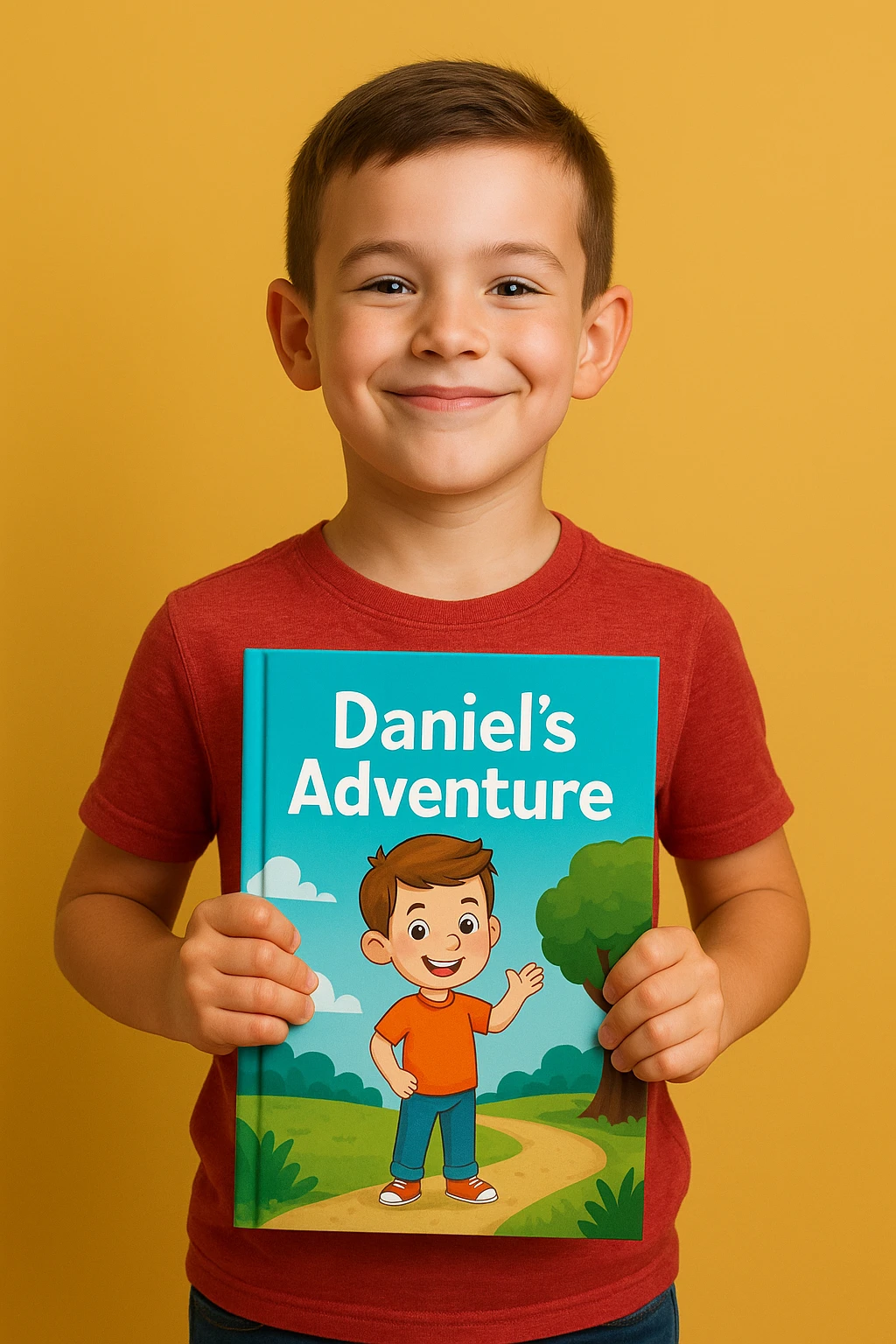
Personalized children’s books offer far more than entertainment - they serve as powerful tools for emotional development and building self-confidence. When a child sees themselves as the hero of a story, something transformative happens: they don’t just read about emotions, they experience them through a safe, controlled narrative that reflects their own identity.
The Emotional Power of Personalized Stories
Creating a Safe Space for Emotional Exploration
Personalized books create a unique emotional learning environment. When children read stories where they are the protagonist, they encounter various emotional situations - joy, fear, pride, sadness, excitement - in a context that feels both familiar and safe. This personal connection allows children to explore complex feelings without the vulnerability that comes from discussing their own direct experiences.
The story becomes a mirror where children can see themselves navigating emotional challenges successfully. For instance, if the child protagonist in the story faces fear of the dark or anxiety about starting school, the child reading the story can process these emotions indirectly and safely. The narrative shows them that experiencing fear is normal, and more importantly, that they can overcome it - just like “they” did in the story.
Building Emotional Vocabulary and Awareness
As children engage with personalized stories, they naturally develop their emotional vocabulary. When the story describes how the child character feels - “Emma felt proud when she helped her friend” or “Lucas was nervous but brave” - children learn to name and recognize these emotions in themselves. This emotional literacy is fundamental to healthy emotional development.
Research shows that children who can accurately identify and label their emotions are better equipped to manage them effectively. Personalized books provide repeated exposure to emotional language in contexts that are personally meaningful, making the learning stick.
Self-Confidence Through Self-Representation
The Impact of Seeing Yourself as the Hero
There’s something profoundly empowering about seeing yourself as the hero of a story. Personalized books place children in roles where they are capable, brave, kind, and successful. This positive self-representation has measurable effects on self-esteem and self-confidence.
When children repeatedly see themselves (through their name, appearance, or characteristics) as the protagonist who solves problems, helps others, and overcomes challenges, they internalize a positive self-image. The story essentially tells them: “You are important. You are capable. You are the hero of your own life.”
Research on Positive Self-Representation
Studies in developmental psychology consistently show that positive self-representation in media and literature can improve self-image and increase feelings of self-efficacy. When children see characters who look like them or share their name succeeding in stories, they’re more likely to believe they can succeed in real life.
Personalized books take this a step further by making the child not just similar to the hero, but the hero themselves. This direct identification amplifies the positive effects on self-confidence.
Developing Emotional Intelligence
Recognizing and Understanding Emotions
Emotional intelligence involves recognizing emotions in oneself and others, understanding what causes them, and knowing how to respond appropriately. Personalized books support all these aspects:
- Self-awareness: Children see themselves experiencing various emotions in the story
- Emotional regulation: They observe how the character (themselves) manages difficult feelings
- Empathy: They understand how their actions affect others’ emotions in the story
- Social skills: They learn appropriate emotional responses through narrative examples
Processing Difficult Emotions Safely
One of the most valuable aspects of personalized books is their ability to help children process difficult emotions in a safe context. If a child is struggling with separation anxiety, a personalized story about a character who successfully navigates being away from parents can provide both comfort and a model for coping.
The story doesn’t tell the child directly what to do - it shows them through their own character’s experience. This indirect approach is often more effective than direct instruction, especially for young children who may resist being told how to feel or act.
Strengthening Parent-Child Emotional Bonds
Shared Reading as Emotional Connection
Reading personalized books together creates unique opportunities for emotional bonding between parents and children. When a parent reads a story where their child is the hero, they’re sending powerful messages:
- “You are important enough to have a story written about you”
- “I see you and value you”
- “You are worthy of attention and love”
These messages, communicated through the act of reading together, strengthen the child’s sense of security and belonging - foundations of healthy emotional development.
Facilitating Emotional Conversations
Personalized books naturally prompt emotional discussions. Parents can pause during reading to ask:
- “How do you think [child’s name] felt when that happened?”
- “Have you ever felt like that?”
- “What would you do if you were in that situation?”
These conversations help children articulate their feelings, understand emotional cause and effect, and develop emotional vocabulary - all crucial skills for emotional intelligence.
Building Resilience Through Narrative
Stories of Overcoming Challenges
Personalized books often feature the child character facing and overcoming various challenges. These narratives teach resilience by showing children that:
- Difficulties are temporary and can be overcome
- They have inner resources (bravery, kindness, creativity) to handle challenges
- Asking for help is okay and effective
- Persistence leads to success
When children see themselves in stories successfully navigating obstacles, they develop what psychologists call “self-efficacy” - the belief in their ability to handle future challenges.
Normalizing Struggles and Growth
Personalized stories can normalize the experience of struggling and growing. When the child character faces a challenge, feels uncertain, but then finds a solution, children learn that:
- It’s normal to feel uncertain or scared
- Struggling doesn’t mean failure
- Growth comes from facing difficulties
- They are capable of growth and change
This normalization reduces shame around difficult emotions and encourages children to view challenges as opportunities for growth rather than threats to their self-worth.
Age-Appropriate Emotional Development
Early Childhood (2-4 years)
For younger children, personalized books help with:
- Basic emotion recognition (happy, sad, scared, angry)
- Understanding that emotions are normal and temporary
- Learning that actions have emotional consequences
- Building confidence through positive self-representation
Preschool Age (4-6 years)
As children grow, personalized books support:
- More complex emotion recognition (proud, embarrassed, excited, worried)
- Understanding emotional cause and effect
- Learning emotional regulation strategies
- Developing empathy for others’ feelings
School Age (6-10 years)
Older children benefit from personalized books that address:
- Complex social emotions (jealousy, gratitude, disappointment)
- Managing multiple emotions simultaneously
- Understanding that people can feel conflicting emotions
- Developing emotional resilience and coping strategies
Supporting Children with Emotional Challenges
Therapeutic Applications
Personalized books have shown particular value for children facing emotional challenges:
- Anxiety: Stories where the child character successfully manages anxiety can provide coping models
- Low self-esteem: Positive self-representation can counter negative self-perceptions
- Emotional regulation difficulties: Stories showing appropriate emotional responses provide concrete examples
- Social challenges: Narratives featuring successful social interactions build confidence
Creating Targeted Emotional Learning
The personalization aspect allows parents and educators to create stories that address specific emotional needs. A child struggling with fear of the dark might benefit from a personalized story about a brave character who explores nighttime adventures. A child working on sharing might benefit from a story where their character learns the joy of sharing.
Long-Term Impact on Emotional Well-Being
Building Emotional Foundations
The emotional skills developed through personalized books in early childhood form the foundation for:
- Healthy relationships throughout life
- Effective emotional regulation
- Strong self-esteem and self-confidence
- Empathy and social awareness
- Resilience in the face of challenges
Creating Positive Associations
Personalized books create positive associations with reading, emotional exploration, and self-reflection. Children who grow up with these positive associations are more likely to:
- Continue reading as a tool for emotional support
- Feel comfortable discussing emotions
- View themselves positively
- Approach challenges with confidence
Practical Tips for Maximizing Emotional Benefits
Choose Stories That Address Relevant Emotions
Select personalized books that address emotions your child is currently experiencing or may encounter soon. If starting school is approaching, choose a story about a character successfully navigating that transition.
Use Stories as Conversation Starters
Don’t just read the story - use it as a springboard for emotional discussions. Ask open-ended questions about how the child character felt and why.
Reinforce Positive Self-Image
Point out positive qualities the child character displays in the story, connecting them to your child’s real-life qualities: “Just like in the story, you’re also very brave when you try new things.”
Create Follow-Up Activities
Extend the emotional learning through activities like drawing how the story made them feel, acting out scenes, or creating their own stories about similar situations.
Conclusion
Personalized children’s books are far more than entertainment - they are powerful tools for emotional development and building self-confidence. By placing children at the center of narratives where they successfully navigate emotional challenges, these books:
- Create safe spaces for emotional exploration
- Build emotional vocabulary and awareness
- Strengthen self-confidence through positive self-representation
- Develop emotional intelligence skills
- Strengthen parent-child emotional bonds
- Build resilience and coping strategies
- Support long-term emotional well-being
The magic of personalized books lies in their ability to make emotional learning personal and meaningful. When children see themselves as heroes who feel, overcome, and grow, they internalize powerful messages about their own emotional capabilities and self-worth. These messages become part of their developing identity, supporting them not just in childhood, but throughout their lives.
For parents seeking to support their children’s emotional development, personalized books offer a unique combination of entertainment and emotional education. They transform abstract emotional concepts into concrete, personal experiences that children can understand, remember, and apply to their own lives.
The emotional impact of personalized books extends far beyond the pages. When children see themselves as heroes who navigate emotions successfully, they develop not just emotional intelligence, but also the self-confidence to face life’s challenges with courage and resilience. This combination of emotional skills and self-belief is one of the greatest gifts we can give our children.